


Electrically proportional pressure relief valve (control unit optional)
Electrically proportional pressure relief valve (control unit optional)
Finished, electrically controlled proportional pressure relief valves are offered here.
The system can be used to regulate hydraulic pressure remotely. This allows, for example, the torque of hydraulic motors or the force in hydraulic cylinders to be adjusted.
Possible control methods:
-
Without control unit (coil only)
- The pressure can be regulated using an external PWM signal
-
Supply proportional amplifier only
- The pressure relief valve can be controlled with adjustable settings using a 0-10V signal or directly via an adjustable 4k7 resistor (for example, a potentiometer or joystick)
-
Includes control unit (with potentiometer)
- With main switch for switching on/off
- Power supply via three-pin socket
- 2 m connection cable between control unit and plug
- 5 m connection cable between control unit and pressure relief valve
The system is fully pre-assembled and ready to use.
Technical data:
- Max. rated flow: up to 120 l/min
- Adjustable pressure: 10 to 350 bar (please observe the max. pressure)
- Max. pressure: 210 bar (also available up to 315 bar on request)
- Rated voltage: 12 or 24 VDC, selectable
- Protection rating: IP65 (control box: IP67)
- Hysteresis: below 5%
- Oil filter rating: 18/16/13 according to ISO4406
- Oil temperature: -20°C to 80°C
- Connection thread: 1/2" BSP
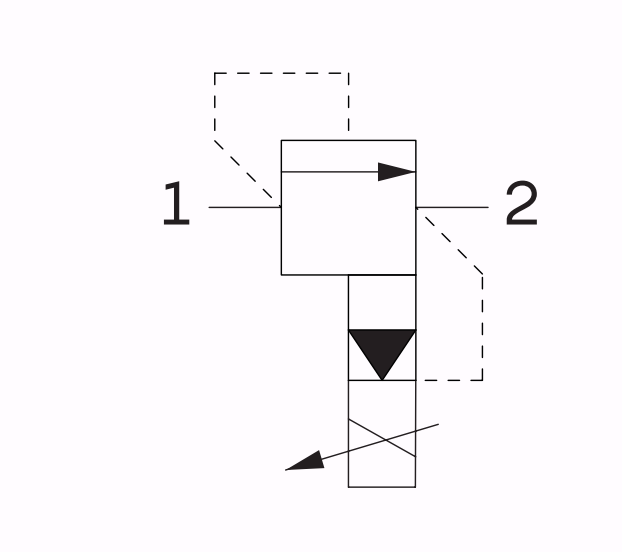
Port assignments
1= Inlet
2= Return to tank (pressureless)
SKU:
Low stock: 2 remaining
Pickup availability could not be loaded.


Unsure about which item to choose? Read our guides now!
-
Selecting the Right Front Loader Control Unit
Click hereHere we have compiled everything you need to select the right valve.
-
-
-
Differences between SB7, SB23 LS, and SB23 OC
Click hereHere we provide a brief explanation of how to identify your Bosch system
Are there any other uncertainties?
We would be happy to clarify these uncertainties for you. With our technical expertise, we will find the best solution for your requirements.